
Treating Joint Pain
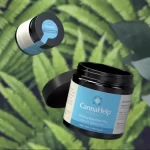 Nature’s Deep Tissue Solution: How to Use a Comfrey, Hemp, and Coconut Oil Balm for Joint Pain
When joints become stiff, sore or uncomfortable, many people look for natural ways to support everyday mobility and soothe tired muscles and joints.
Understanding Joint Pain: Why Topical Relief Matters
The Powerhouse Trio: Comfrey, Hemp Seed, and Coconut Oil
1. Comfrey (Symphytum officinale): The Ultimate Tissue Regenerator
-
Allantoin Content: Comfrey is exceptionally rich in allantoin, a natural chemical compound that stimulates cell proliferation and accelerates skin and connective tissue regeneration.
-
Anti-Inflammatory Action: Clinical studies and systematic reviews have demonstrated that topical comfrey extract effectively reduces pain, swelling, and inflammation in muscles and join.
2. Hemp Seed Oil: The Essential Fatty Acid Shield
Standard cold-pressed hemp seed oil is extracted strictly from the pressed seeds of the Cannabis sativa plant and contains little to no cannabinoids.
-
Optimal Omega Ratios: Hemp seed oil boasts a textbook 3:1 ratio of Omega-6 to Omega-3 essential fatty acids (including gamma-linolenic acid, or GLA). These fatty acids are potent modulators of the body’s inflammatory response.
-
Deep Skin Penetration: Because its lipid profile closely mimics human skin lipids, hemp seed oil acts as an exceptional transdermal carrier. It sinks deep past the outer epidermal layer, dragging the active constituents of comfrey down into deeper tissue layers where joint and muscle aches originate.
-
Non-Comedogenic Moisture: It nourishes dry, overworked skin without clogging pores, leaving the application site soft and resilient.
3. Coconut Oil: The Transdermal Base and Antimicrobial Carrier
-
Medium-Chain Triglycerides (MCTs): Rich in lauric, capric, and caprylic acids, coconut oil provides a stable, nourishing matrix that melts smoothly upon skin contact.
-
Enhanced Absorption: MCTs act as chemical penetration enhancers, loosening the tight intercellular bonds of the stratum corneum just enough to allow botanical extracts to absorb rapidly and deeply.
-
Microbial Stability: Naturally rich in antioxidants and possessing inherent shelf-stable antimicrobial properties, coconut oil helps preserve the herbal infusion naturally without requiring harsh synthetic parabens.
Synergistic Benefits: What Happens When You Combine Them?
-
Immediate Comfort & Softening: Coconut oil melts on contact, providing an easy glide for therapeutic massage while softening tight, sore tissue.
-
Deep Penetration: Hemp seed oil pulls the healing constituents inward, ensuring the remedy doesn’t just sit on the surface of the skin.
-
Targeted Repair: Comfrey goes to work on cellular receptors, dialing down inflammatory signaling and supporting localized recovery in tendons, ligaments, and joints.
- The balm can be massaged into such areas as: knees, elbows, shoulders, wrists, hands, ankles, lower back and muscles after excercise.
-
How to Apply Your Balm for Maximum Effectiveness To get the most out of your natural joint balm, technique matters:
-
Clean and Warm the Area: Apply the balm to clean skin. For stiff joints, applying a warm compress for two minutes prior can open up micro-capillaries and boost absorption.
-
Massage Thoroughly: Scoop a pea sized amount of balm (depending on the joint size), using a paddle pop or coffee stirring stick and massage it firmly into the affected area using circular motions for 2 to 3 minutes. Massage breaks up fascial tightness and stimulates local blood flow.
-
Frequency: Use 2 to 3 times daily during flare-ups or after heavy physical activity (such as gardening, running, or long desk shifts).
Critical Safety Guidelines and Precautions
-
Apply ONLY to Intact Skin: Never apply comfrey-containing balms over open cuts, fresh scrapes, deep punctures, broken skin, or fresh surgical incisions. Comfrey promotes rapid cell growth; you do not want to trap debris or bacteria underneath healing skin.
-
Patch Test First: Always perform a small patch test on your inner forearm 24 hours prior to full joint application to rule out any individual contact sensitivities.
Frequently Asked Questions (FAQ)
Q: Can I use this balm for arthritis pain?
Q: How long will my balm last?
Q: How do I store my balm to maximise longevity?
A: It is best to store your balm in a cool dark place between uses. For example, in a cupboard or pantry. During the extremes of summer, you may want to refrigerate it, removing it 30 minutes prior to use.
Final Thoughts

